Betty Bee
Innamorata19 June—02 October 2026
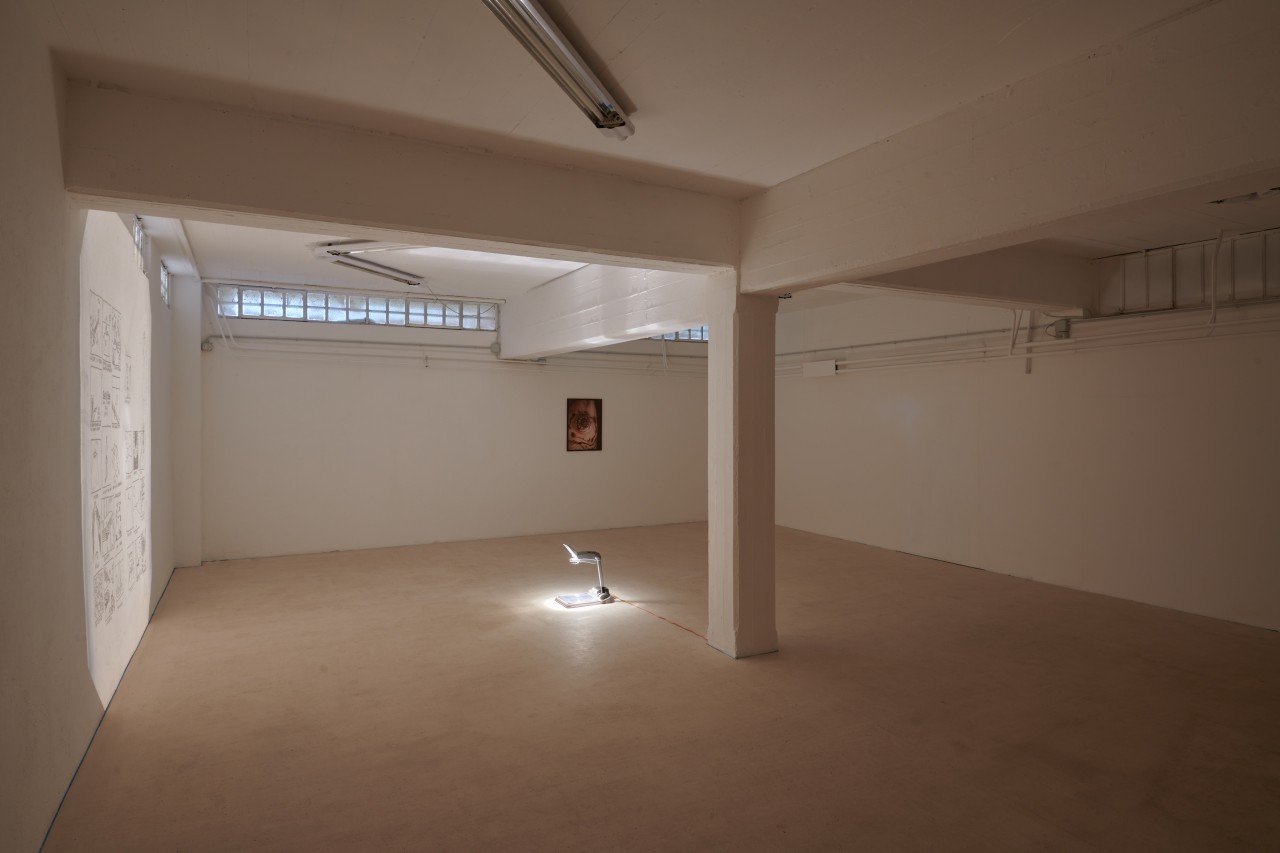
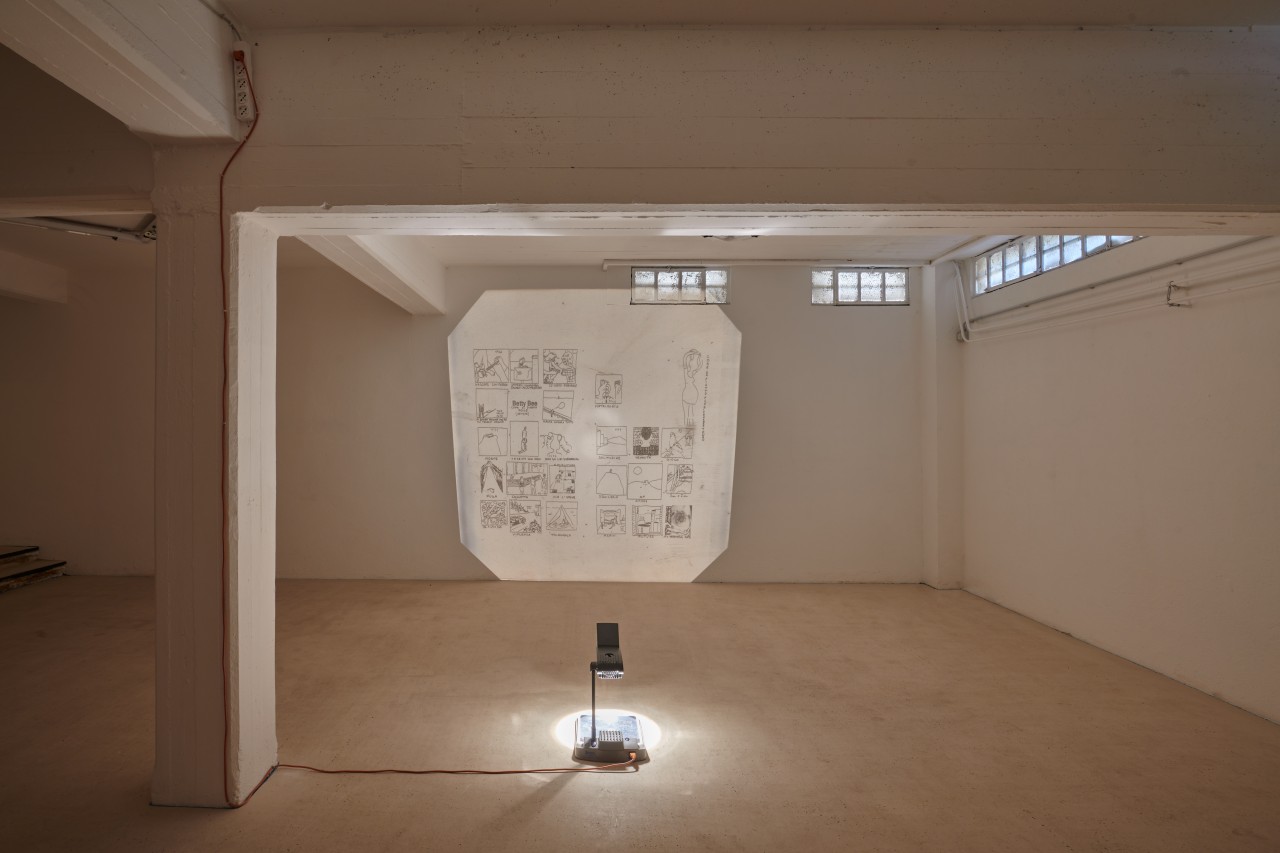
Innamorata è una mostra che ripercorre la pratica artistica di Betty Bee (Napoli, 1962/63). La retrospettiva riunisce opere e materiali d’archivio, soffermandosi sulla sua produzione degli anni Novanta e dei primi Duemila.
Sono le esperienze personali e la vita vissuta a plasmare il linguaggio artistico di Betty Bee, configurandolo come uno strumento di emancipazione e di continua ridefinizione della propria identità e del proprio corpo.
Attraverso pittura, fotografia, scultura, video e soprattutto performance, il lavoro di Betty Bee si sviluppa come una messa in scena della propria autobiografia, dove riflessioni su genere, desiderio, erotismo e rapporti di potere portano a sovvertire e ribaltare ruoli e stereotipi.
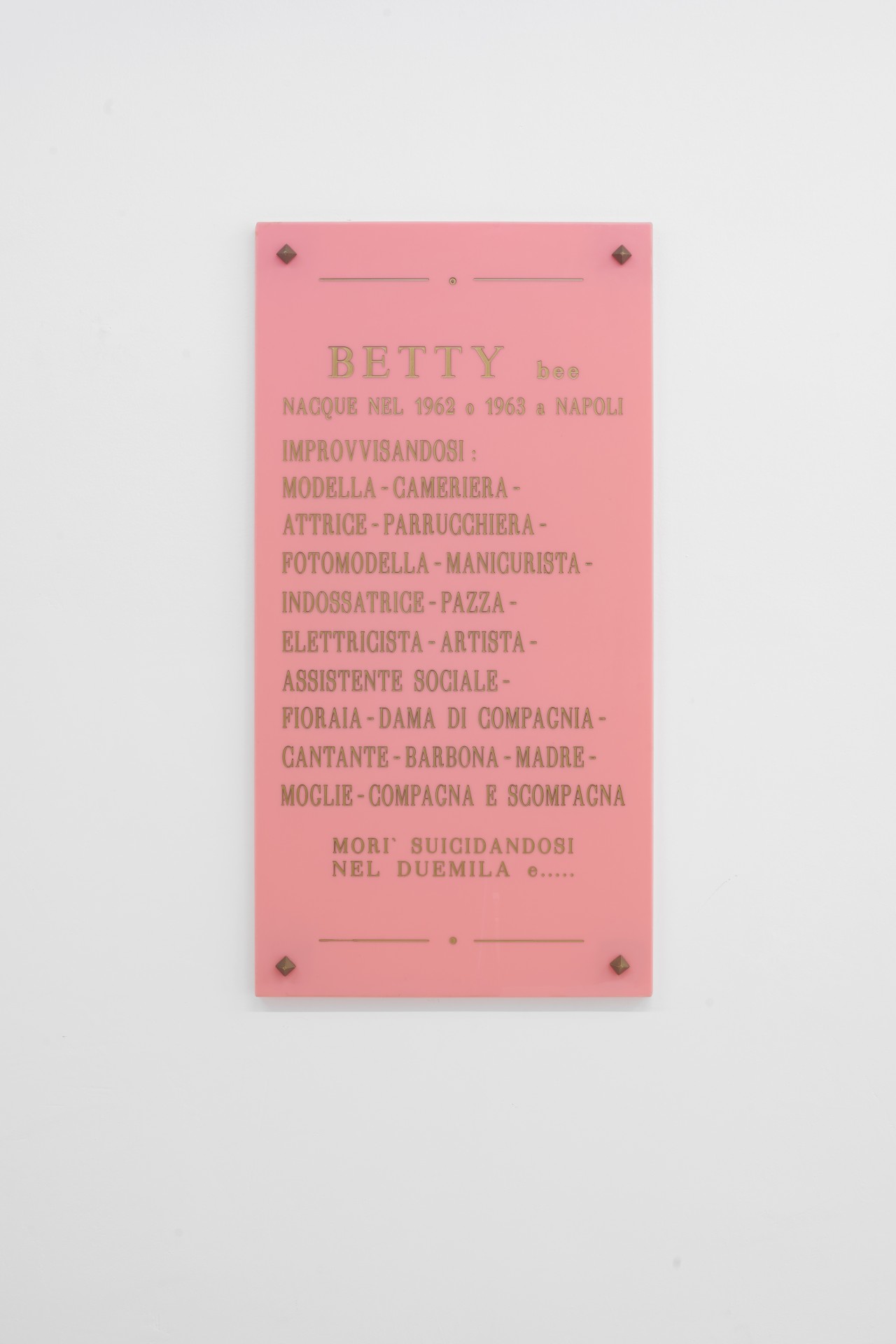
Con lettere bronzee sulla superficie rosa della sua celebre Lapide (1995), Betty si definisce «modella, cameriera, attrice, parrucchiera, fotomodella, manicurista, indossatrice, pazza, elettricista, artista, assistente sociale, fioraia, dama di compagnia, cantante, barbona, madre, moglie, compagna e scompagna». Solenne e ironica evidenzia la precarietà dell'esistenza e la natura mutevole di un’identità. L’opera riporta l'attenzione alla dimensione concreta della vita quotidiana, fatta di necessità, adattamenti ed espedienti. La lapide diventa così un epitaffio dedicato alle molteplici definizioni e ruoli che una donna è chiamata ad assumere in una società segnata da stereotipi e disuguaglianze.
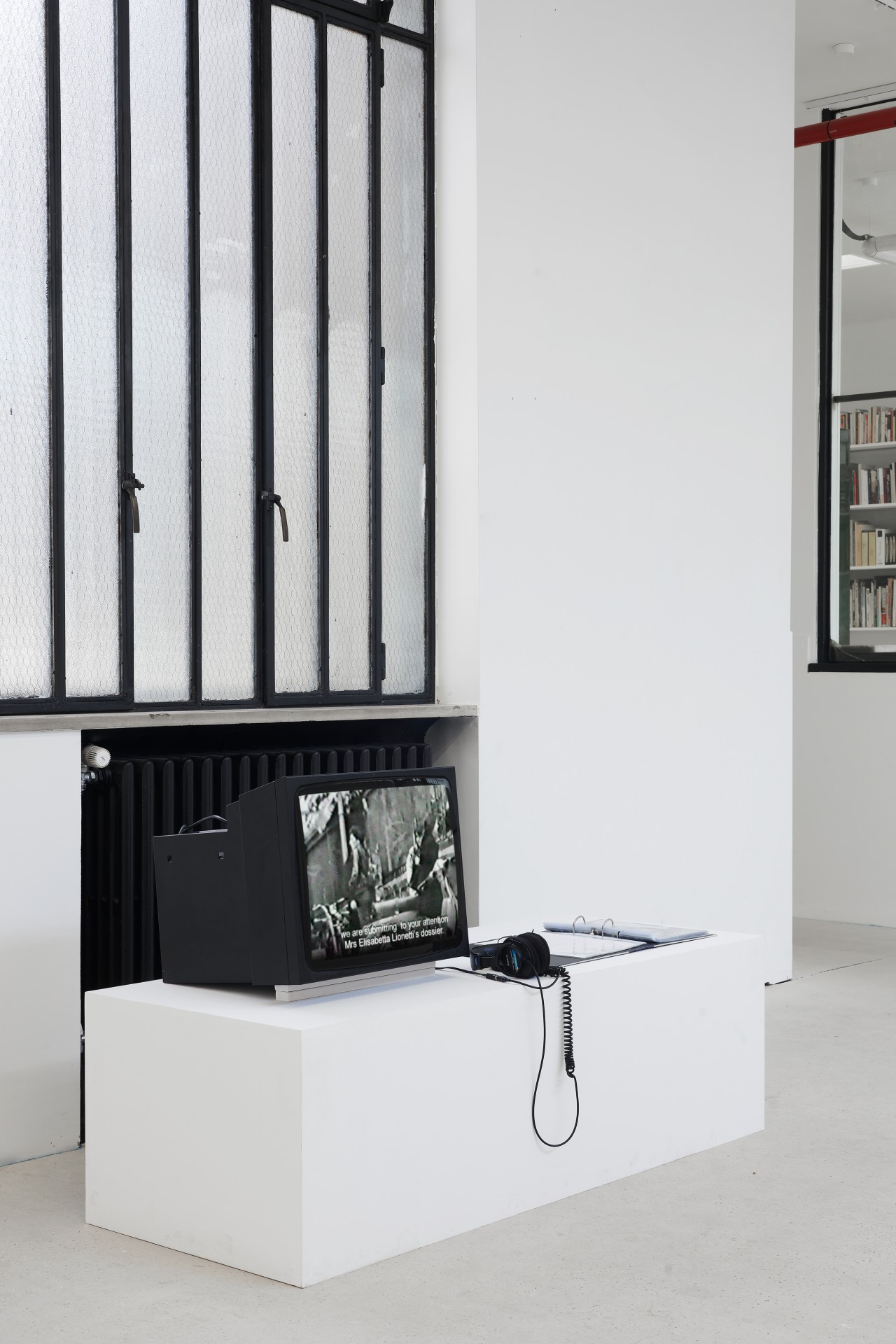
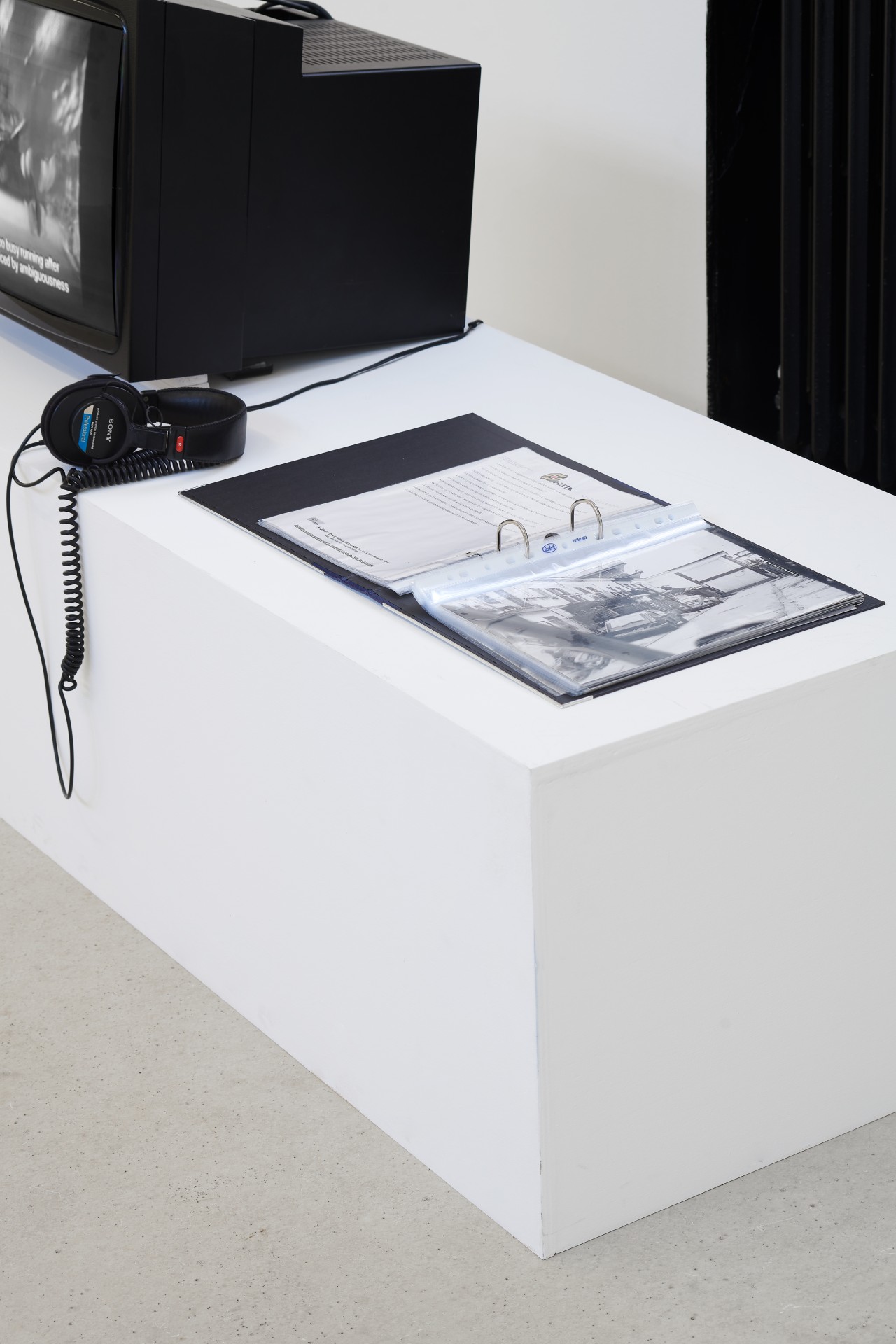
In L’inganno (1996), Betty Bee commissiona tramite terzi un’indagine su sé stessa a un’agenzia investigativa. Senza sapere che la richiesta proviene dall’artista, un investigatore la segue, ricostruisce il suo passato e ne traccia un profilo che porta alla luce luoghi comuni, pregiudizi e aspettative legate a ciò che una donna può o non può essere nella società. Apparenze, supposizioni, falsità e frammenti di verità si mescolano in un racconto che rivela quanto l’immagine di una persona sia il prodotto di sguardi, giudizi e proiezioni altrui.
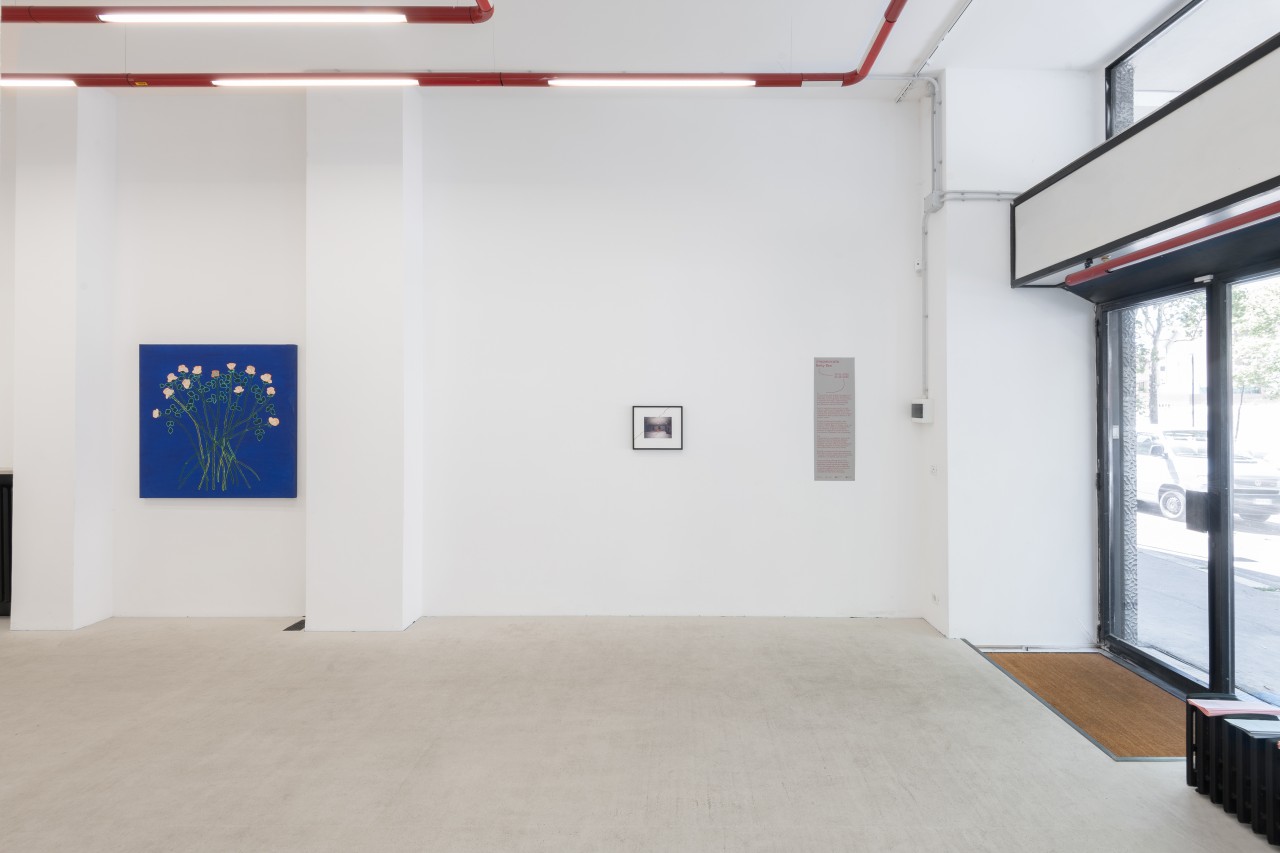
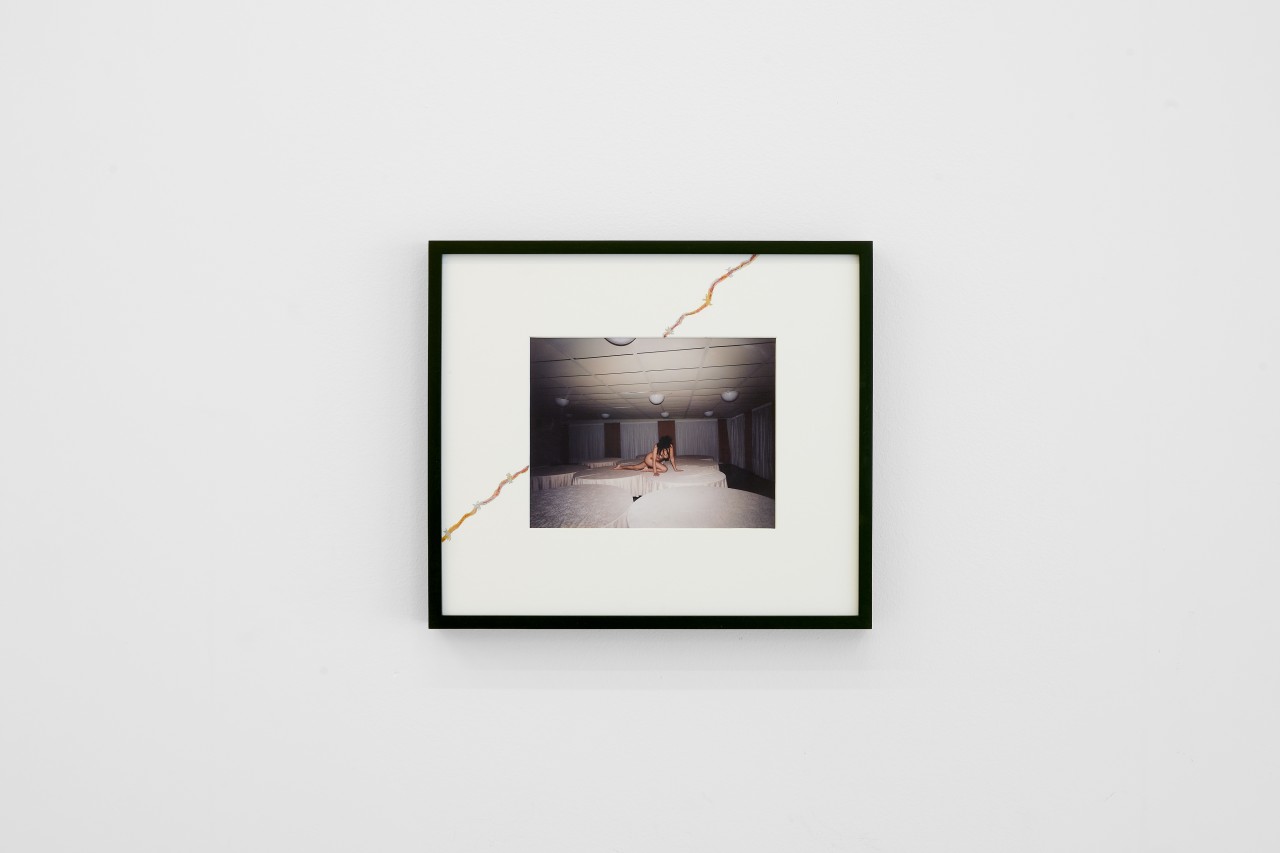
Nelle opere di Betty il corpo è strumento per rinegoziare le relazioni tra rappresentazione, potere e norme sociali. Questo emerge in una performance documentata dal fotografo Armin Linke: il corpo nudo dell'artista si muove provocante, al buio, sui tavoli di un ristorante. Si tratta di un gioco di seduzione che mette in tensione posizioni opposte, da un lato il corpo esposto allo sguardo e al desiderio altrui, dall'altro un corpo che avanza verso chi osserva, capace di sedurre, provocare e destabilizzare.
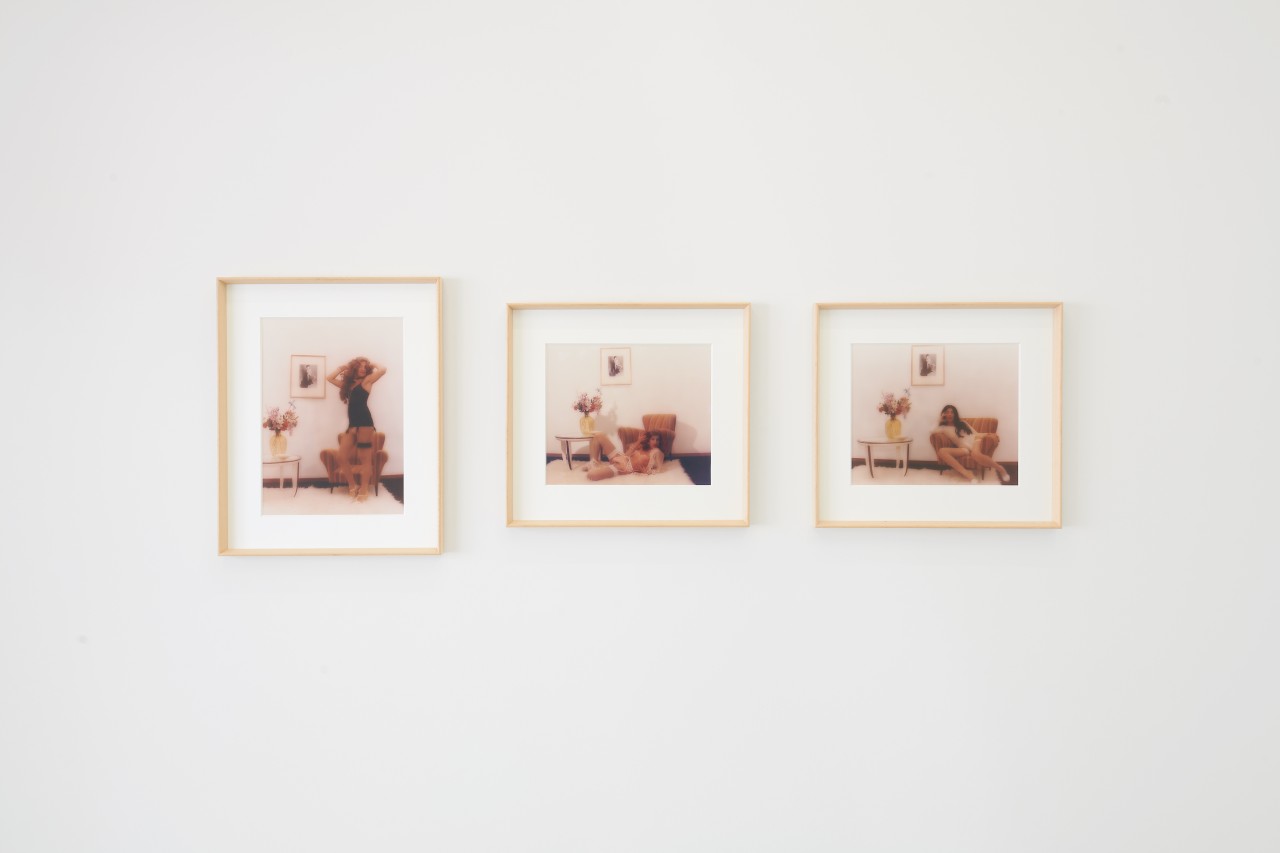
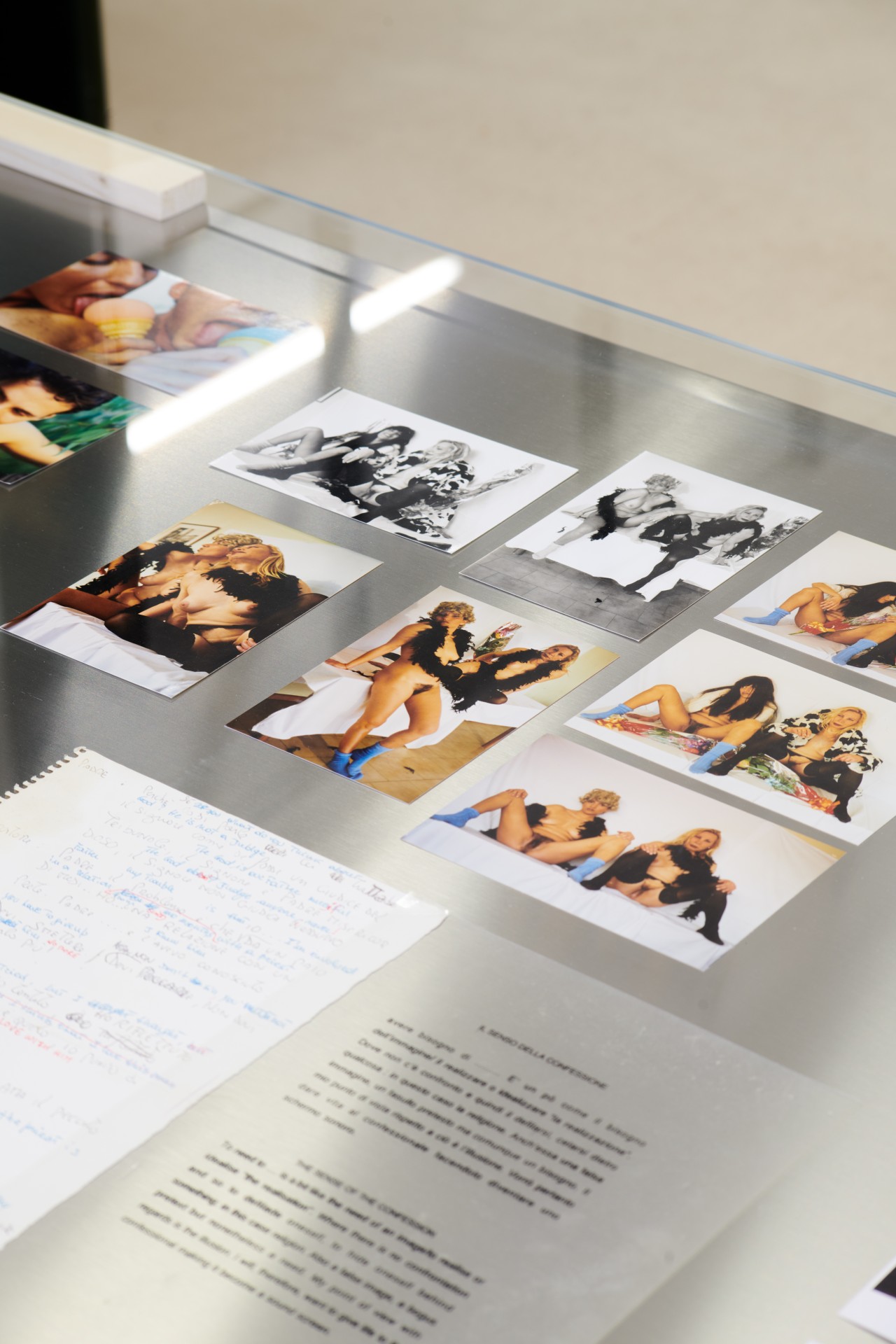
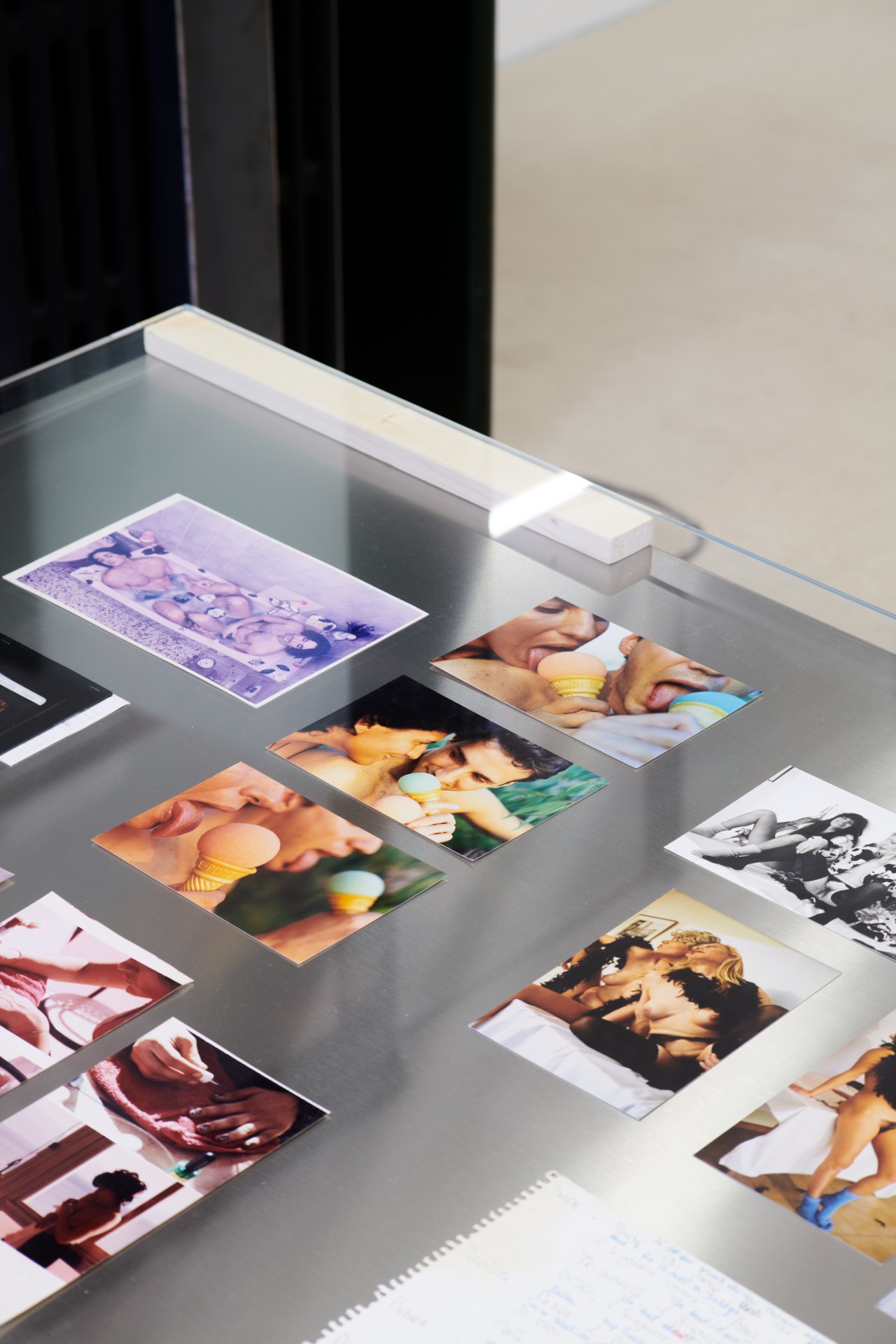
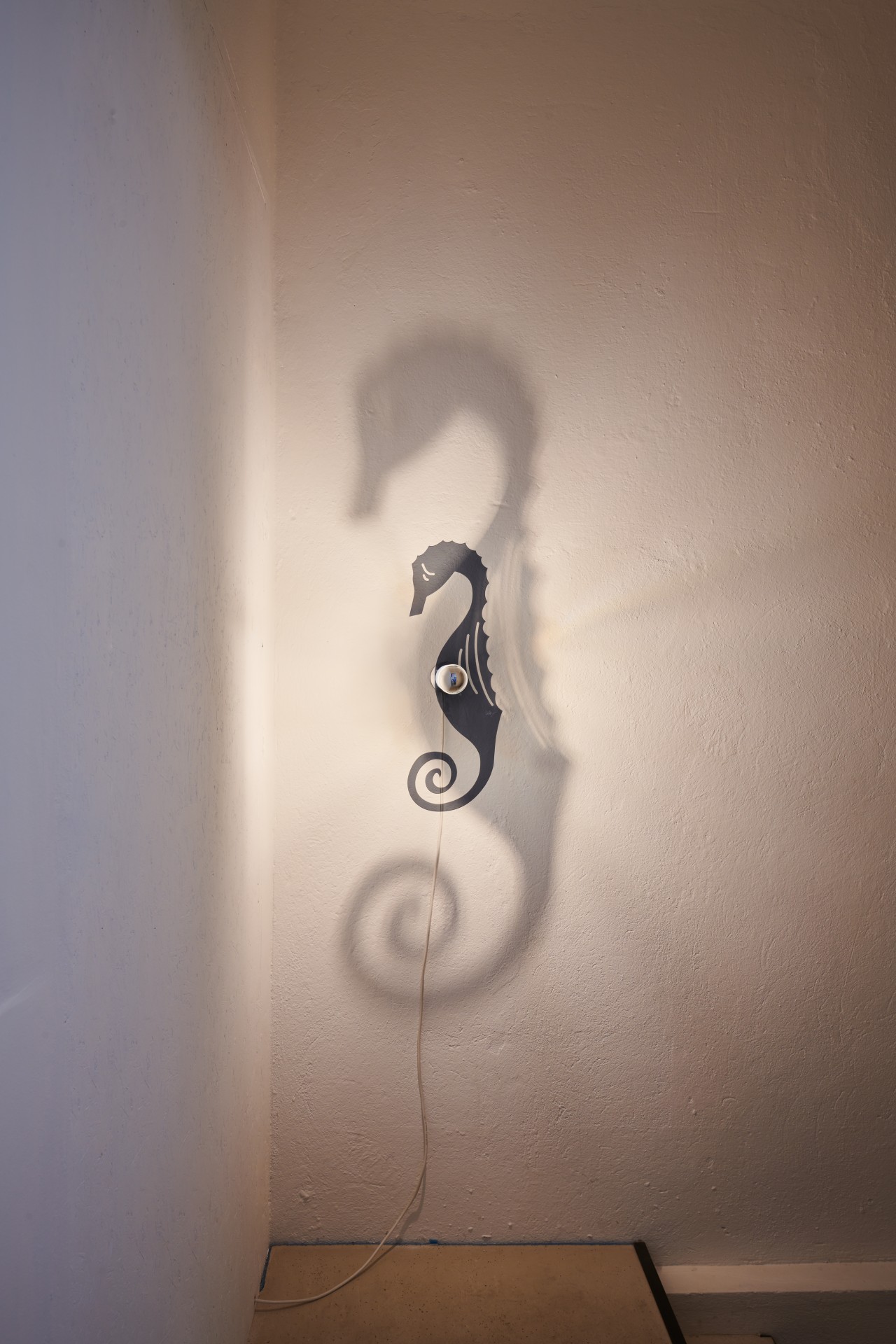
L’ambiguità tra preda e predatore, tra oggetto e soggetto, è centrale anche nella serie Adescamenti del 1994. Alcune figure femminili sono ritratte in lingerie in pose ammiccanti e spudorate. Le immagini dai contorni evanescenti e sfuocati rivelano dettagli che mettono in dubbio il genere e l'identità dei soggetti: nonostante la spiccata femminilità, le modelle hanno evidenti caratteri maschili. Come suggerisce il titolo, queste figure, simili a sirene, attraggono lo sguardo dell'osservatore per poi disorientarlo, lasciando aperto il dubbio su chi realmente le incarni.
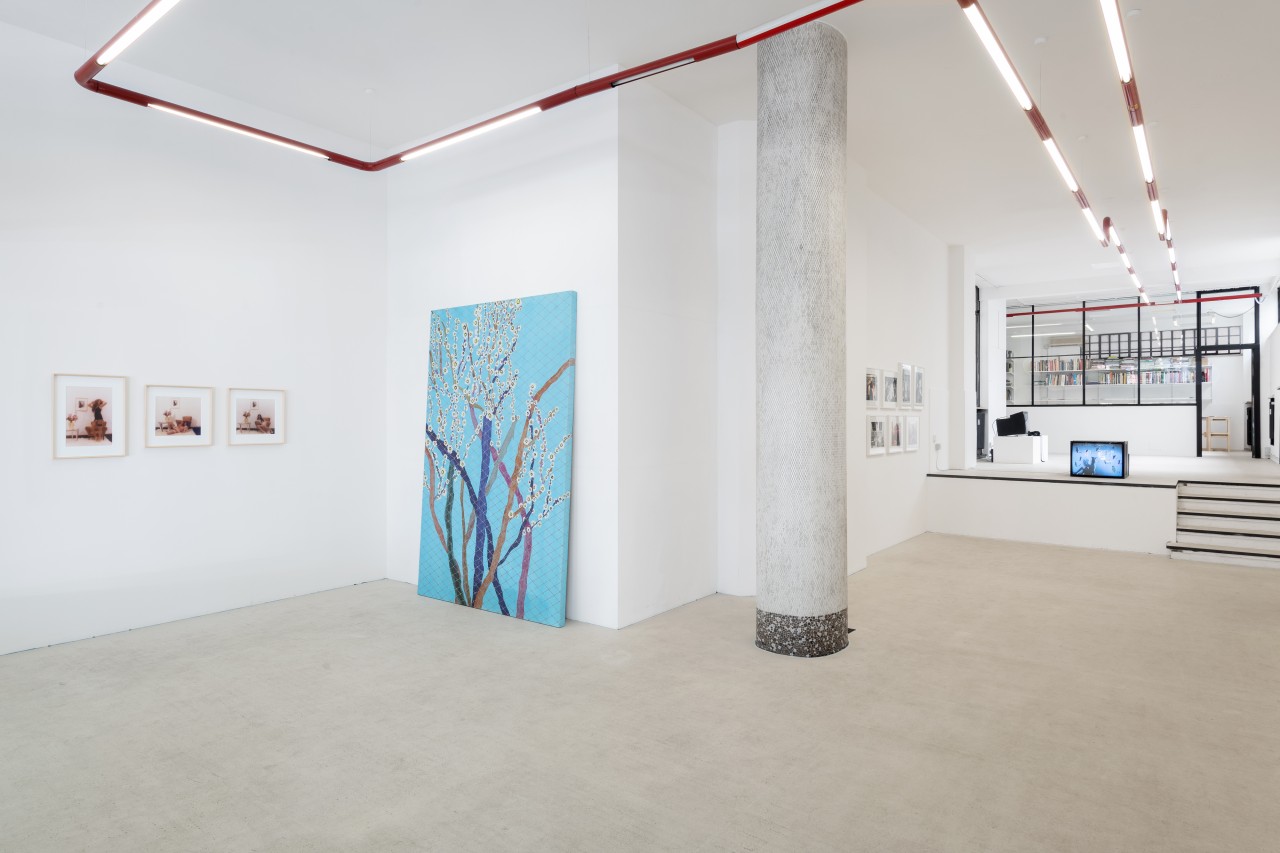
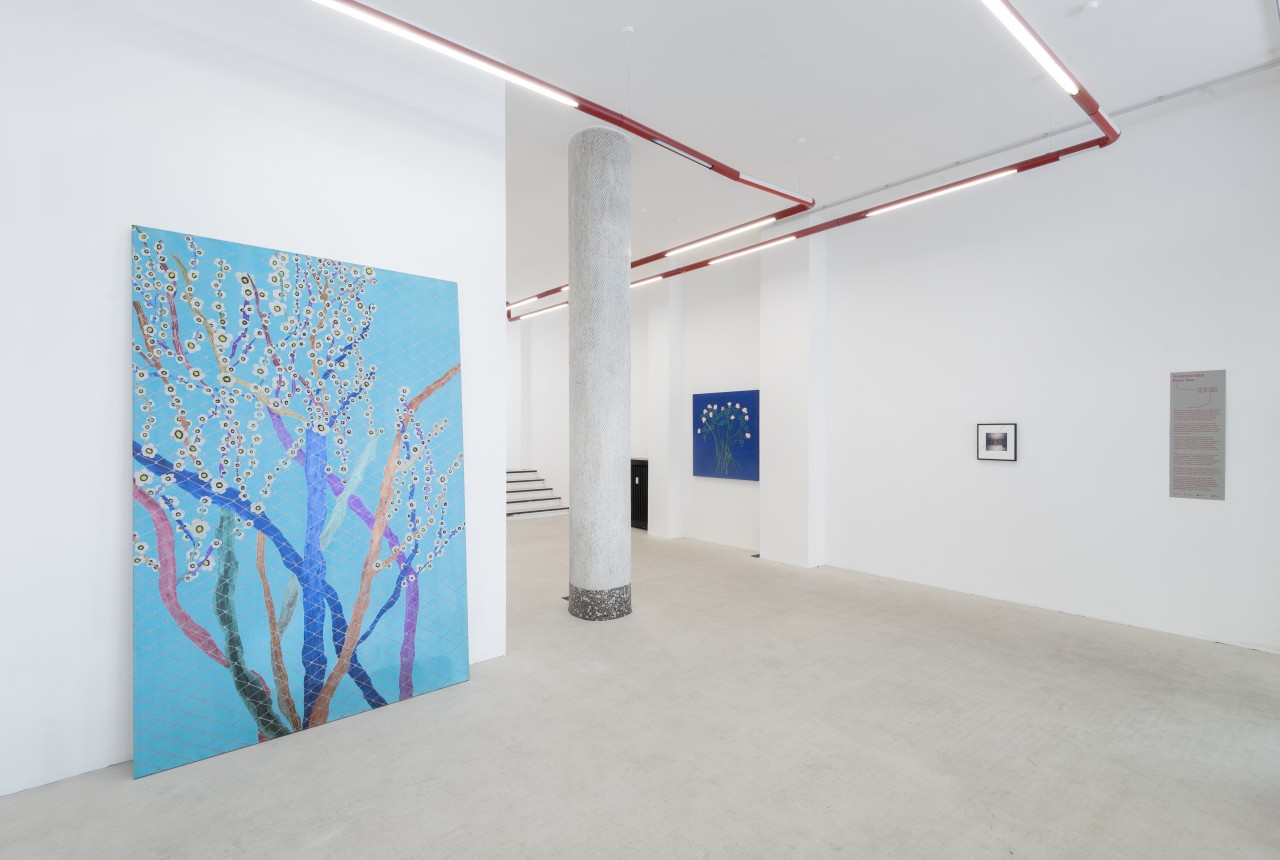
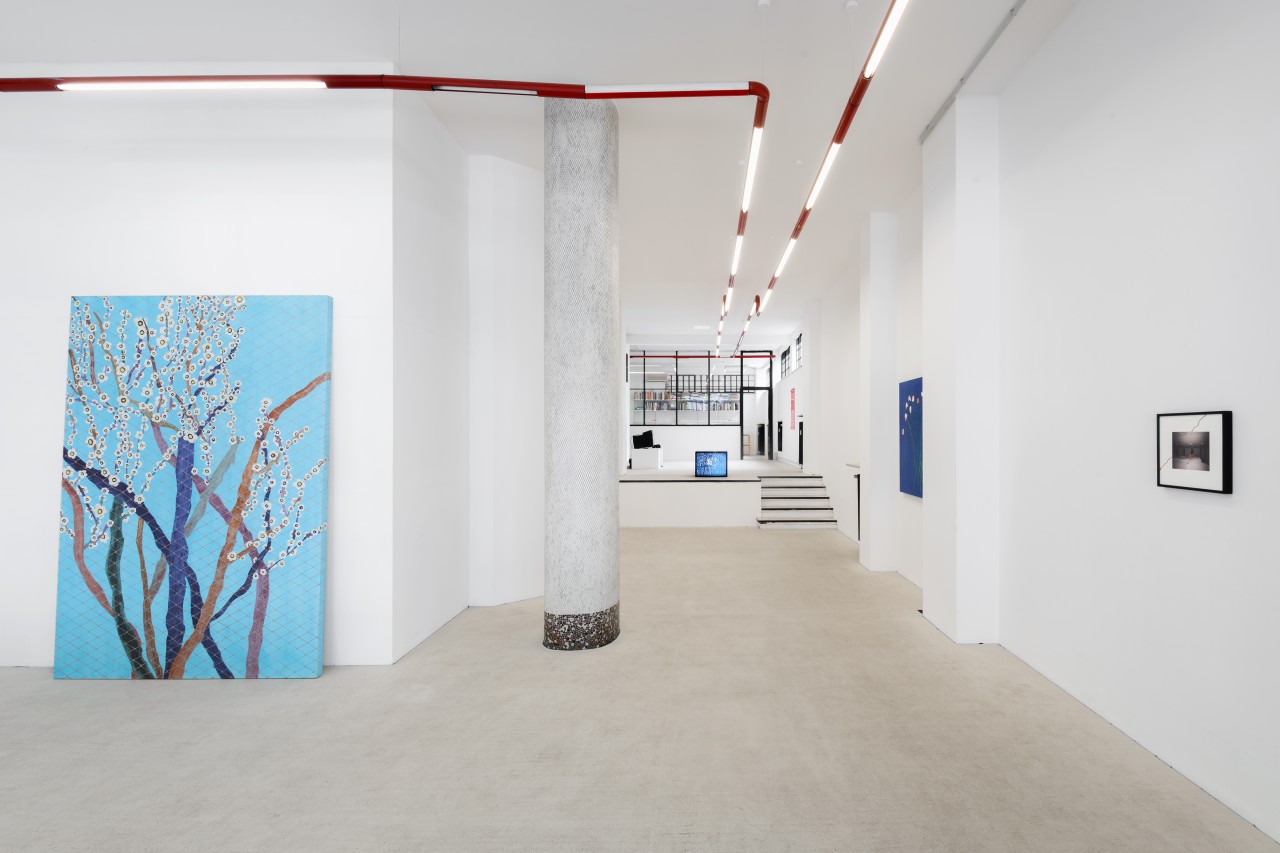
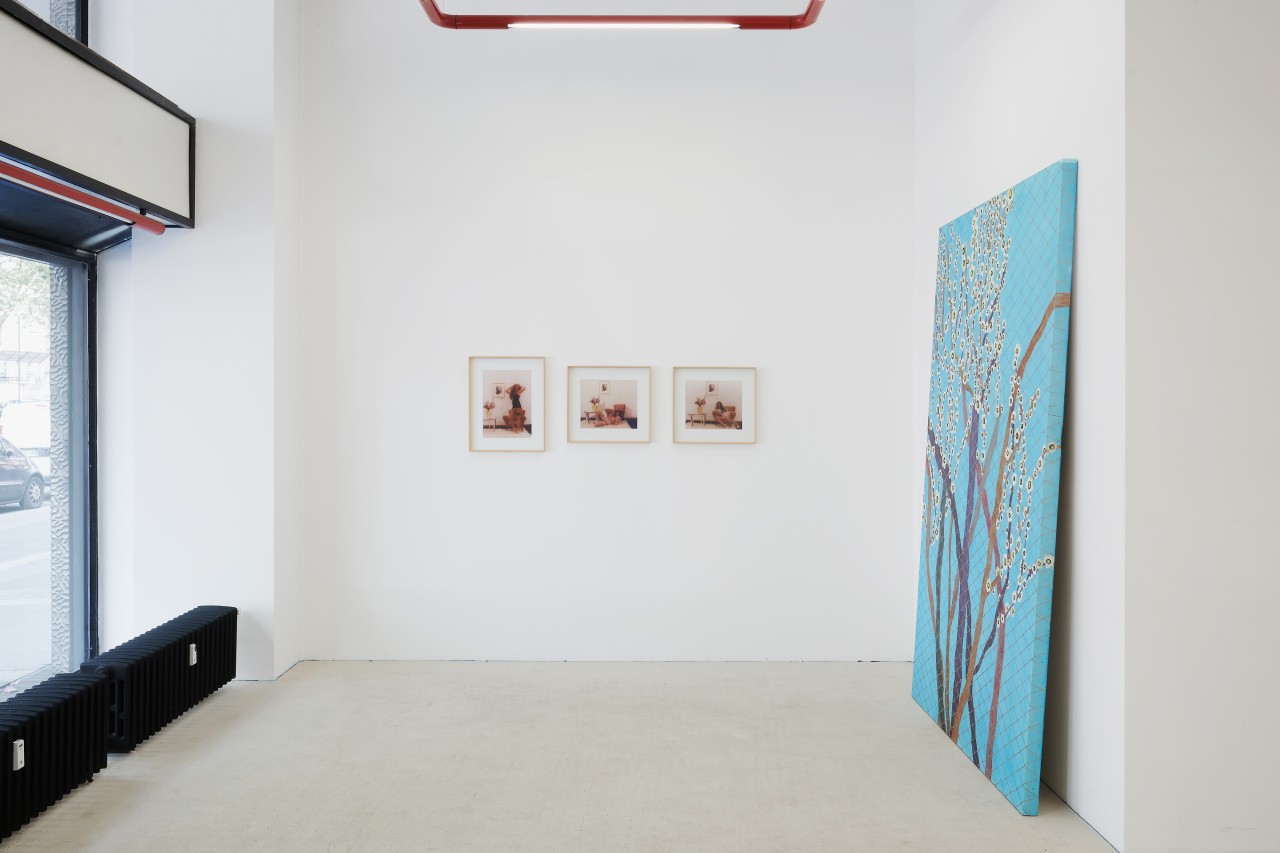
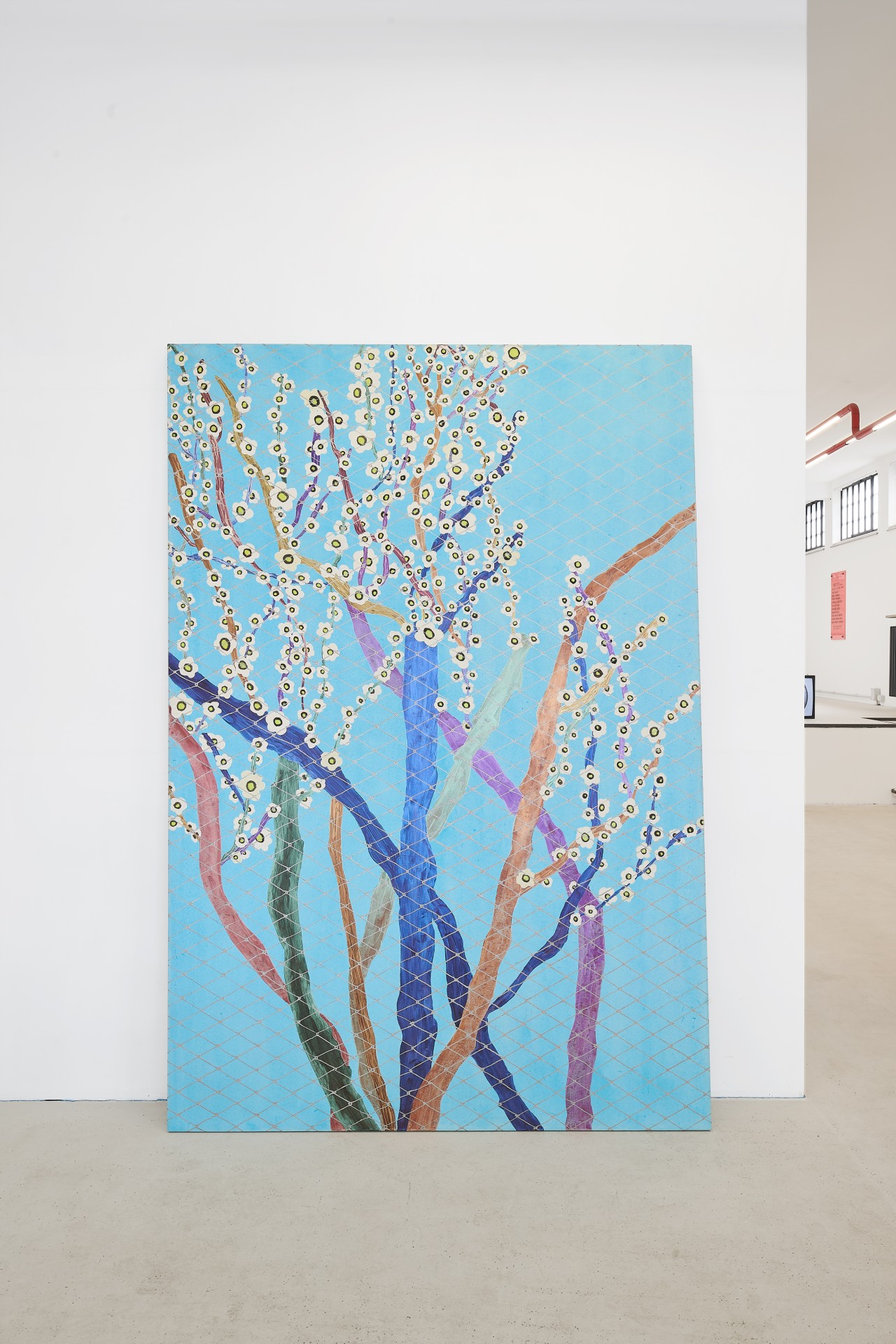
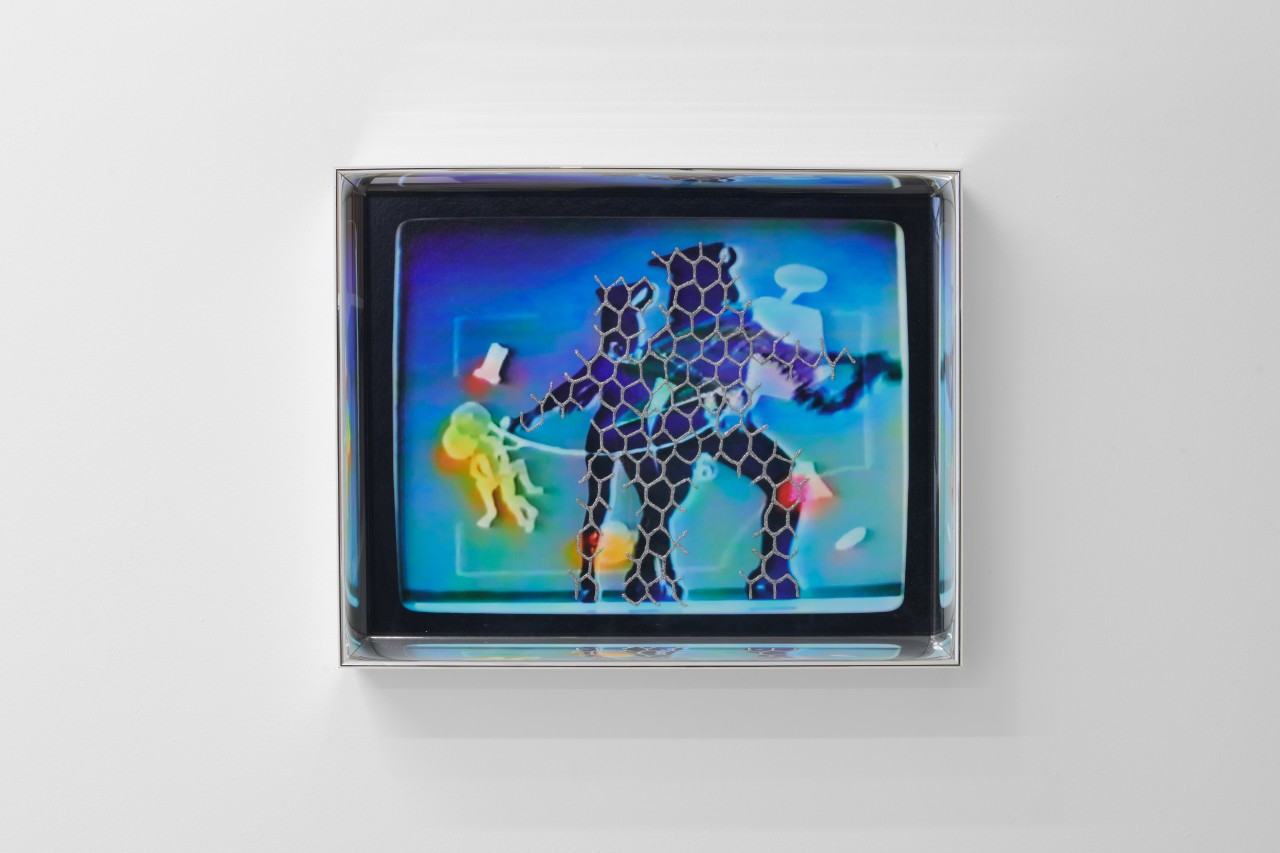
A partire dal 1996, Betty Bee dipinge paesaggi ed elementi naturali — piante, fiori, prati e nuvole — che appaiono però protetti o preclusi da recinzioni, fili spinati, reti e catene. Questi lavori portano con sé una violenza poetica, sospesa tra libertà e reclusione, tra protezione e controllo. Sono scorci di una bellezza negata o difesa?
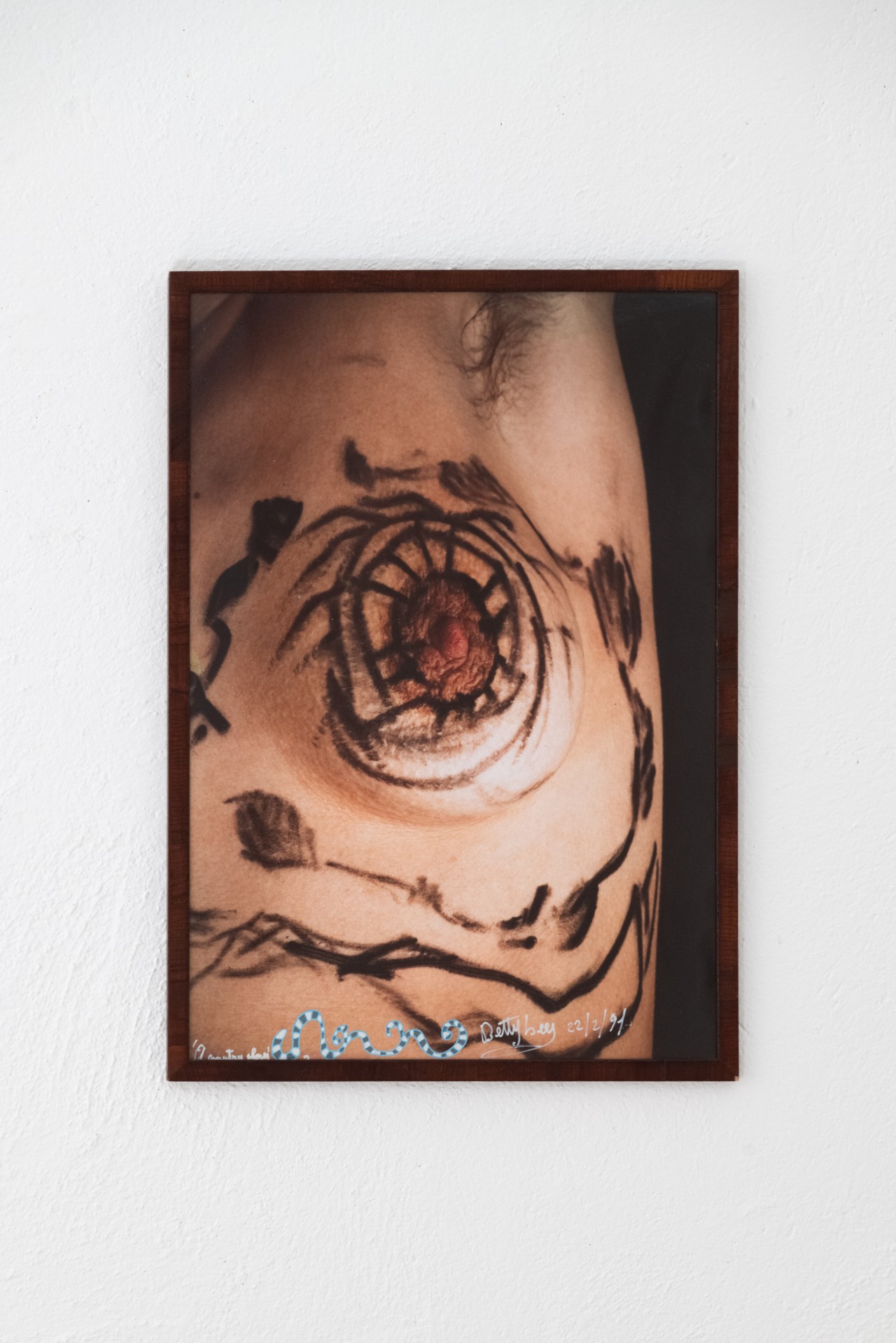
In It’s a Territorial Game (1991) — una delle prime opere presentate da Betty Bee in un contesto espositivo — il corpo diventa luogo. La fotografia documenta una performance in cui l'artista traccia sul seno nudo di un'amica la mappa topografica del Vesuvio. Con una matita per occhi, il tratto nero disegna rilievi e dislivelli del Monte Somma sulla pelle, in un gioco di scale e corrispondenze tra corpo e territorio. Il seno, elemento generativo, si trasforma in vulcano; il capezzolo diventa un cratere, mentre le forme del corpo femminile si sovrappongono all’orografia del paesaggio, evocando le forze trasformative e generative che attraversano entrambi.
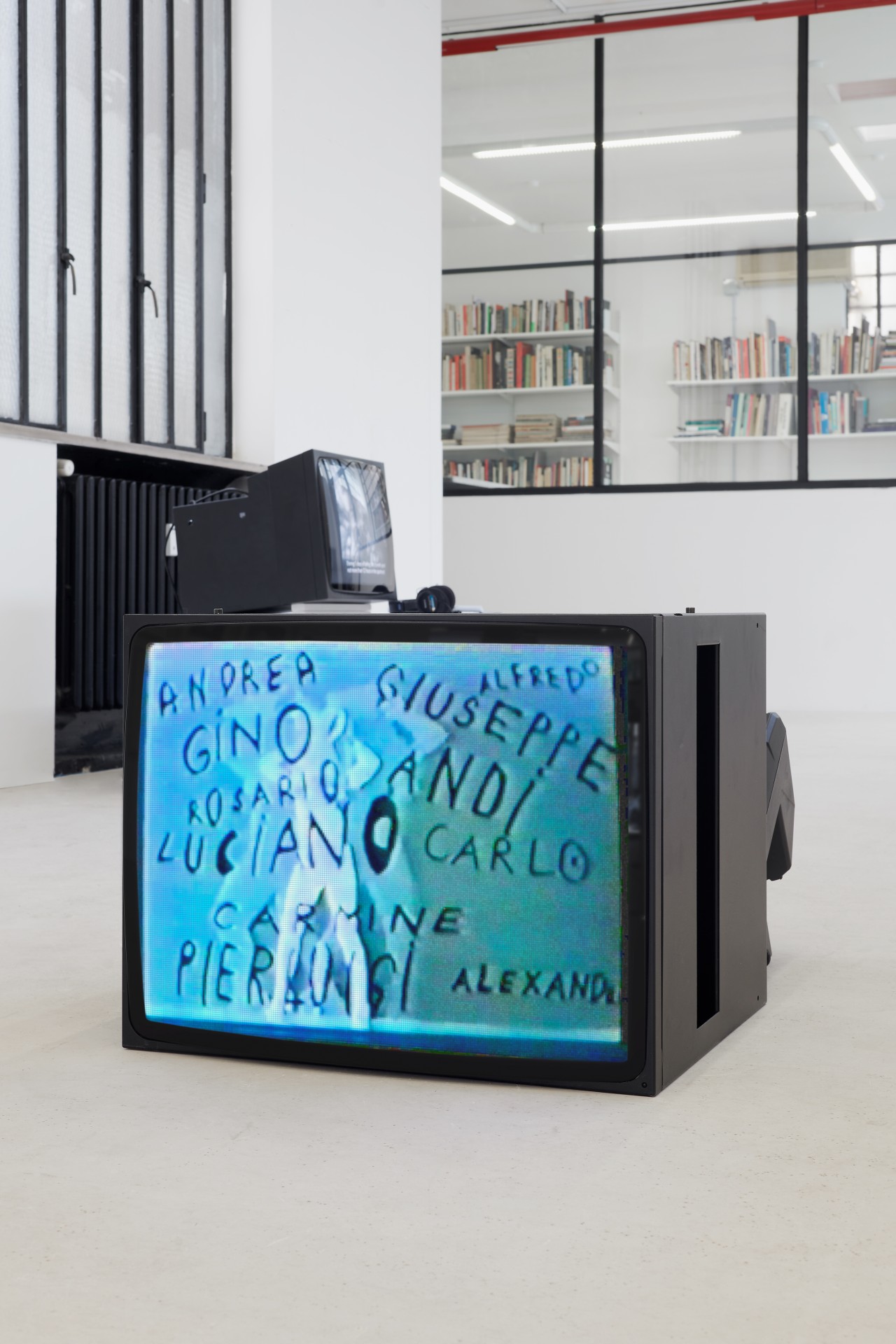
In Gilda (1995), una silhouette femminile danza sullo schermo. Al posto della testa porta una grande anfora, simbolo di una femminilità intesa come fonte inesauribile e generativa. A metà tra figura mitologica e ballerina di cabaret, si muove sulle note di una canzone tratta dall'omonimo film del 1946 con Rita Hayworth, il cui ritornello recita “Amado mio, love me forever”. Attorno a lei compaiono i nomi degli uomini con cui Betty Bee ha avuto relazioni, componendo un elenco che contraddice la promessa contenuta nella canzone. Attraverso ironia e auto-rappresentazione, l'artista trasforma la propria esperienza autobiografica in una riflessione sull'amore di coppia, mettendo in discussione il mito dell'amore eterno e l'idea romantica di un legame unico e definitivo.
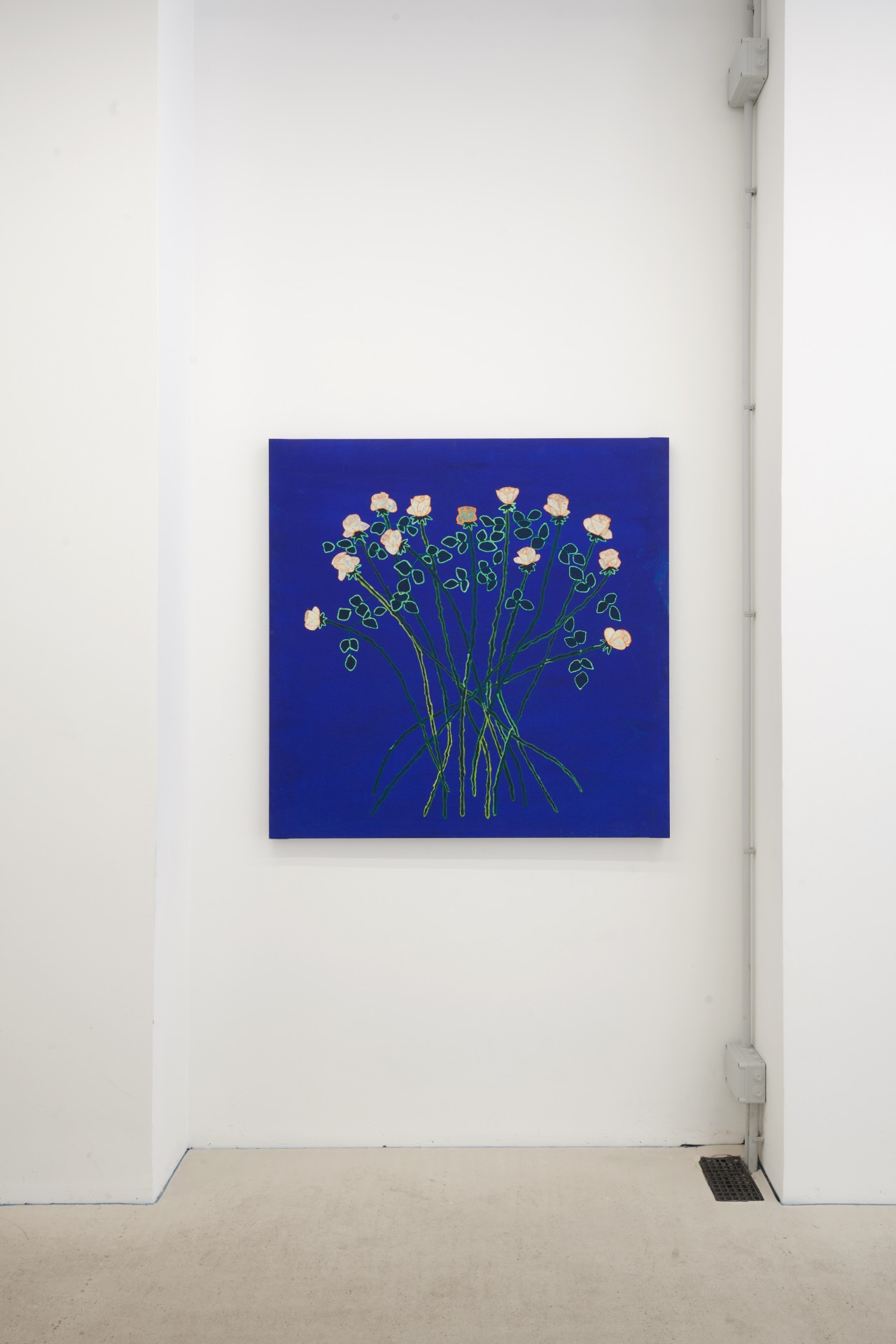
Il brutto anatroccolo (1998) invece fa parte di una serie di quadri che ritraggono persone amate e memorie attraverso un’assenza. Al posto dei soggetti compaiono mazzi di fiori ricevuti in dono, tracce di affetti e momenti felici destinati, come i fiori stessi, a svanire.
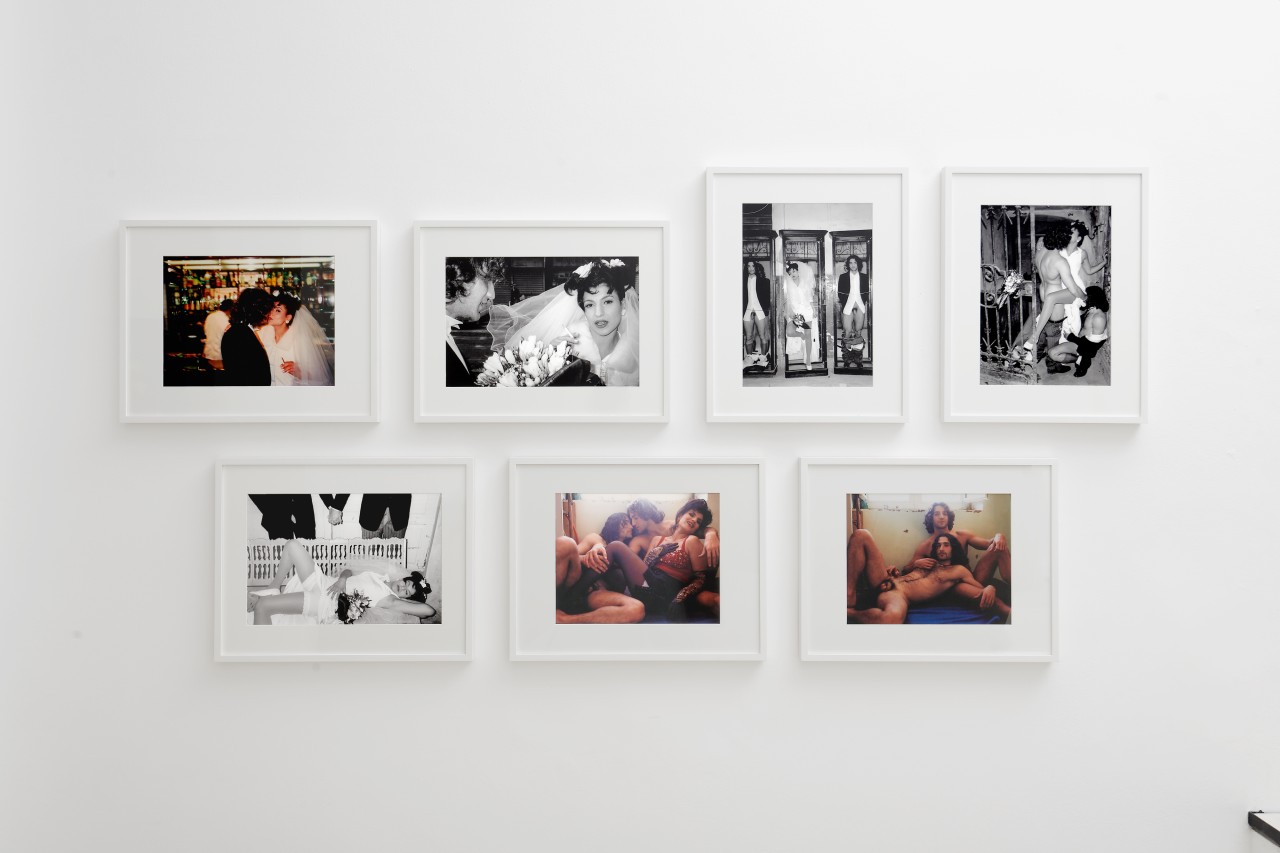
Luna di miele è una serie inedita del 1997. Un lavoro che, ancora una volta, sovverte l'idea romantica e tradizionale di coppia. La sceneggiatura è semplice: Betty Bee è la sposa di due uomini. Il triangolo amoroso si consuma. Presto si annoia di entrambi i mariti, mentre loro rimangono insieme felici anche senza di lei. Tra ironia e provocazione, Luna di miele trasforma il matrimonio in una messa in scena, smontando l'idea dell'amore esclusivo e destinato a durare per sempre.
A distanza di anni, queste immagini sembrano rimarcare le parole di un testo scritto nel 1992:
L’Amore nel duemila è completamente estinto (ma in realtà in ogni epoca non è mai esistito); tutto quello che si crede o si è creduto ‘amore’ si dovrebbe analizzare caso per caso, emozione per emozione, e alla fine resterebbe soltanto un ‘bisogno di emozione’, da accendere o spegnere all’occorrenza. Un tempo forse c’era una maggiore esigenza di ciò: era troppo misera la vita, in particolare per le donne confinate al focolare; venendo all’oggi — come donna — ho troppo da fare per occuparmi ‘anche’ dell’uomo: che rimanga con sua madre e continui pure a credere che sia quello l’amore senza fine.
L’amore ‘di coppia’ non basta più, è estinto in quanto le donne hanno tutt’altre esigenze; non mi spingo oltre perché non vorrei fosse banalizzata la mia saggezza. Lasciamo i sogni ai sognatori! (del resto sono anch’io — come sempre — innamorata).
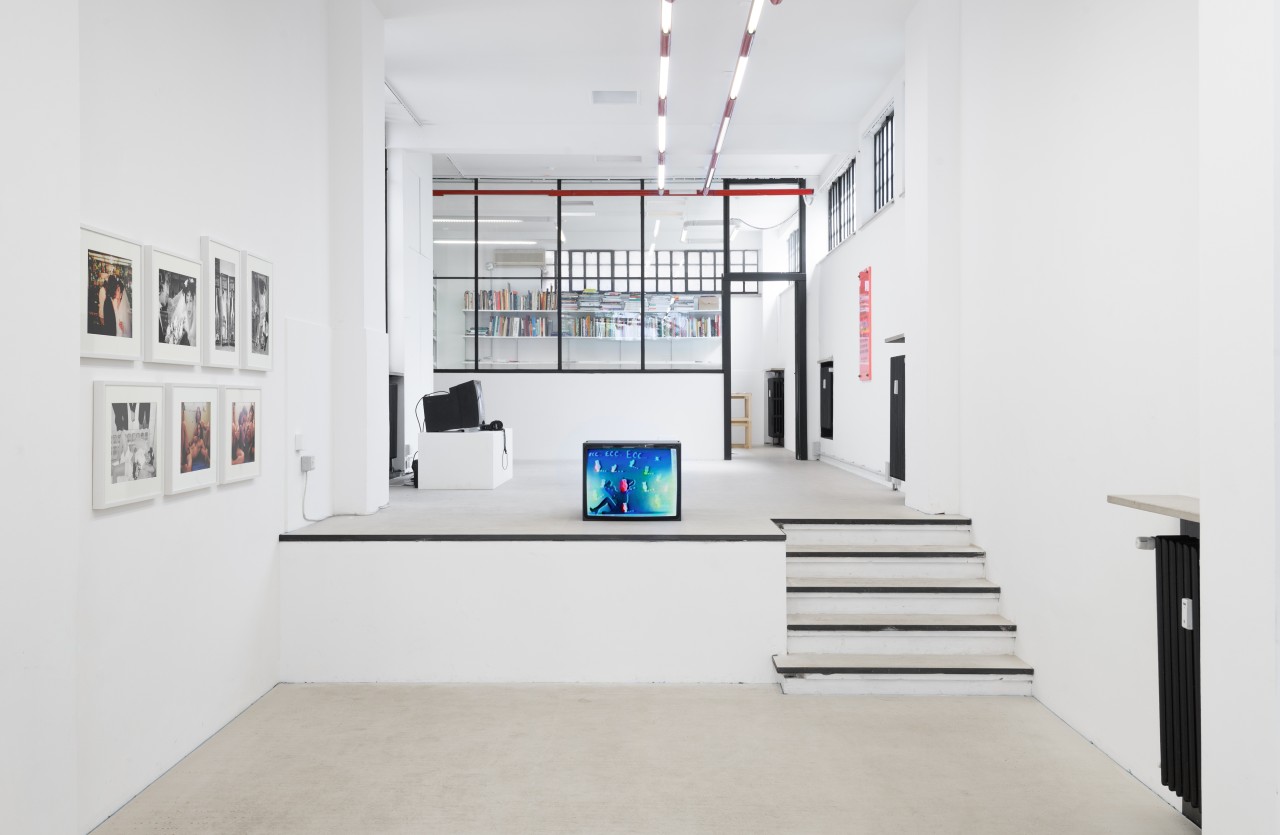
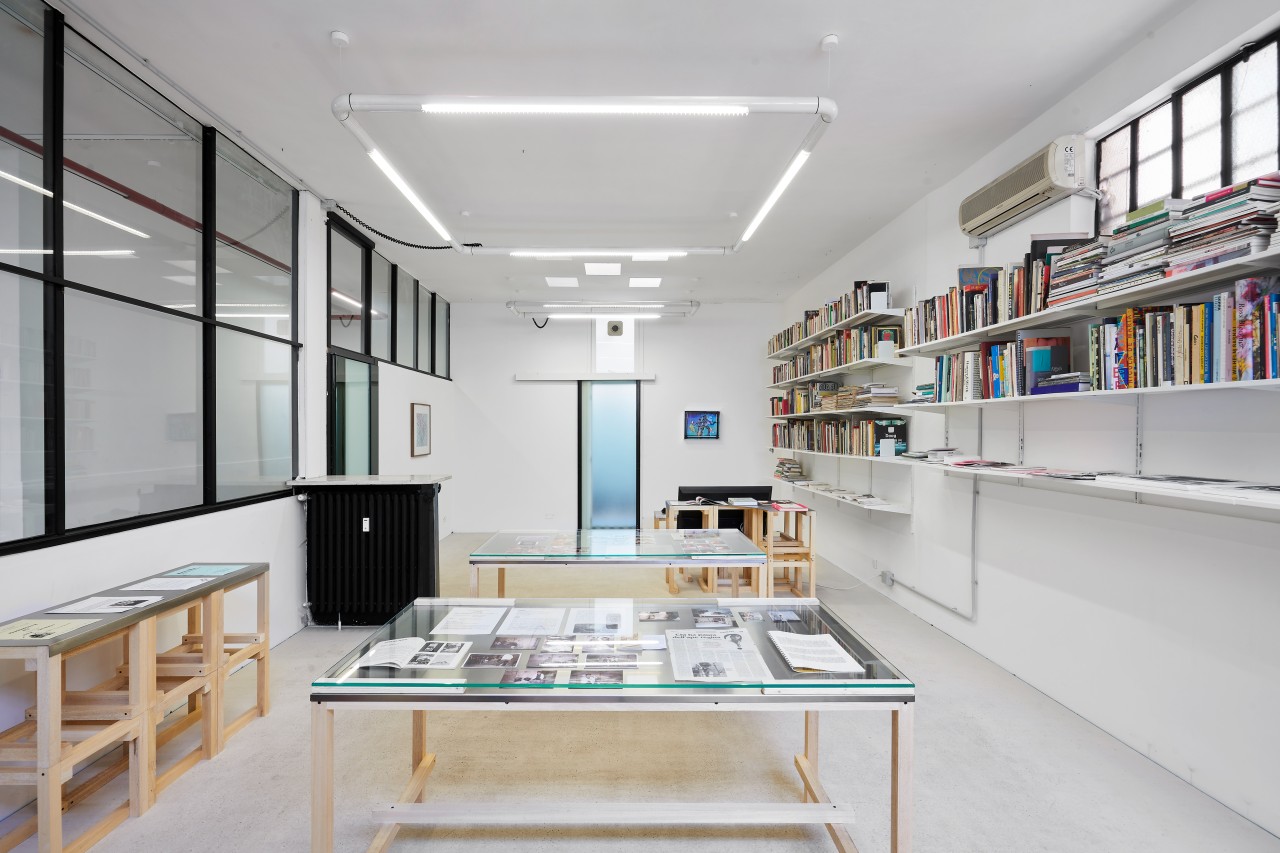
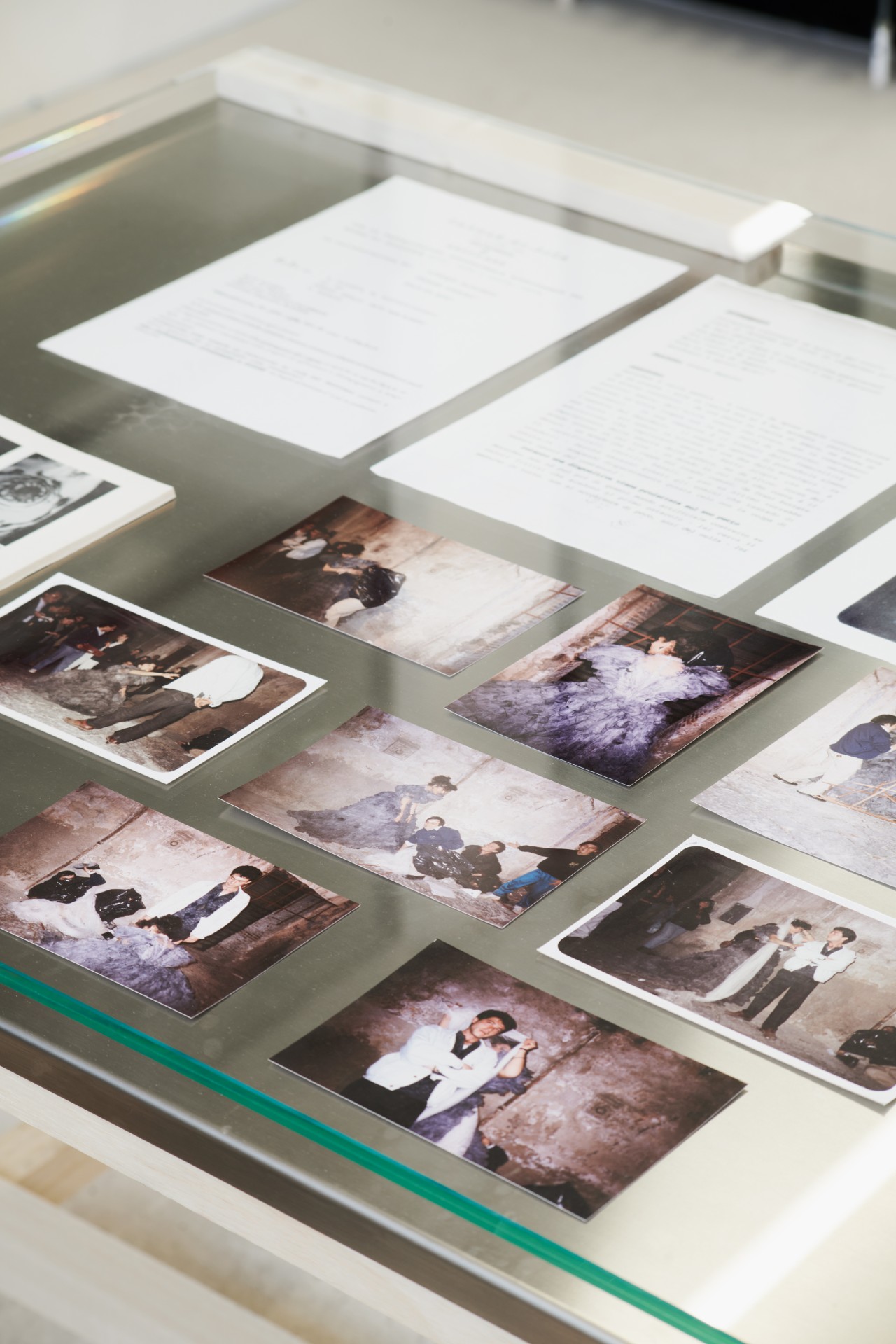
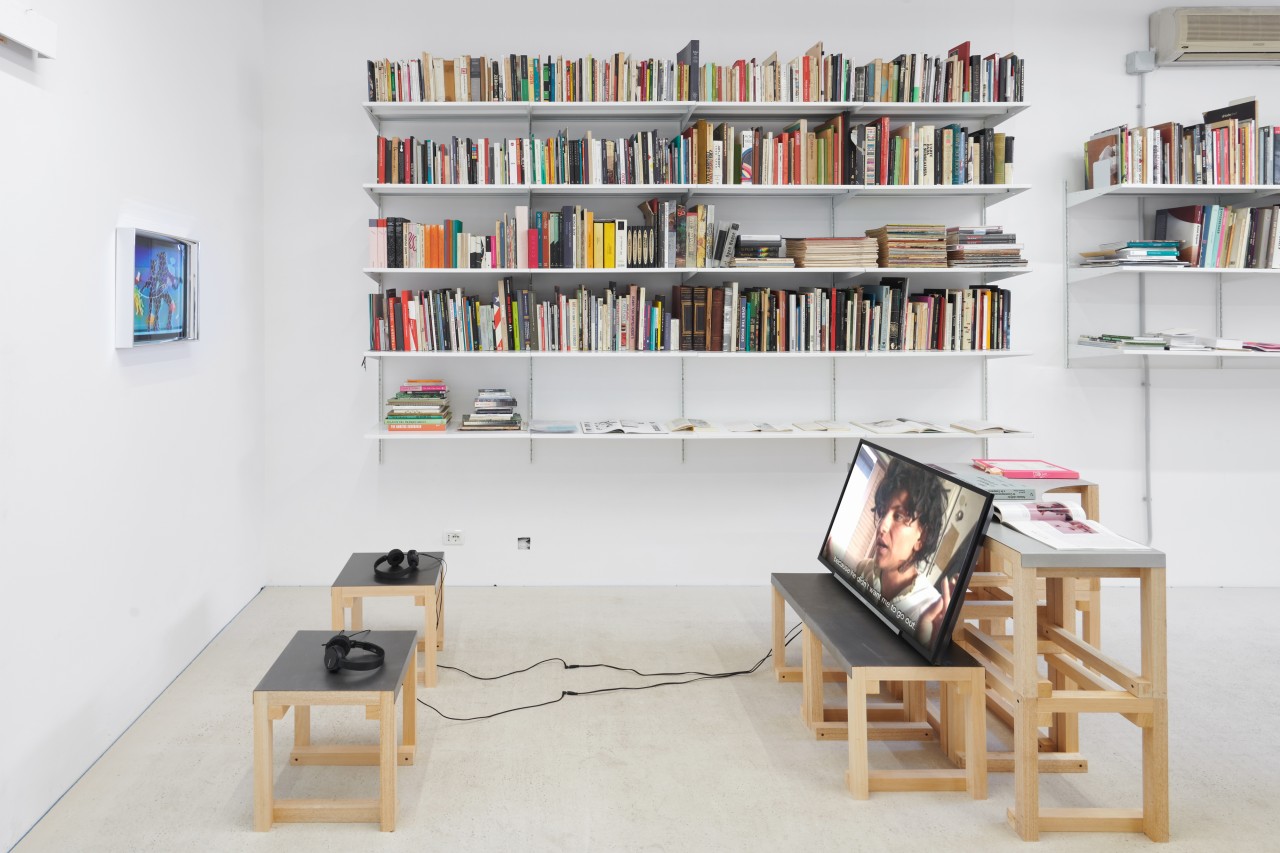
In biblioteca sono raccolti materiali d’archivio, molti dei quali inediti – fotografie, documentazioni di performance e opere, cataloghi, articoli, testi e il documentario Betty Bee. (Sopravvivere d’arte) Ciao Bucchi – ripercorrono la carriera artistica di Betty Bee.
È presente anche una sezione dedicata agli Sfrattati Eretici, gruppo con cui Betty Bee collabora all’inizio della sua carriera. Il nome porta con sé una forte carica provocatoria e una dichiarata necessità di rottura, ma richiama anche una dimensione concreta e quotidiana legata all’abitare e al sociale. Il gruppo è composto da persone provenienti da ambiti diversi, che affiancano alla propria attività lavorativa una pratica artistica e che hanno subito, in senso letterale o simbolico, una forma di “sfratto”: dalla propria abitazione, dal lavoro, dal contesto familiare o, più in generale, dal sistema sociale e culturale dominante. Si tratta di figure che si collocano in una posizione critica e antagonista rispetto al sistema dell’arte e alle sue istituzioni, scegliendo di operare ai margini o al di fuori di esso. Si riuniscono per dar vita ad azioni performative, a pratiche di protesta e a interventi nello spazio pubblico. Il rapporto di Betty Bee con il gruppo fu tuttavia di breve durata, di circa un paio d’anni.
Si ringraziano i collezionisti che hanno prestato le opere: Ernesto Pinto, Donata Pizzi, Luca Rivelli, Rosa Sandretto. Un ringraziamento particolare a Ciro Delfino, Umberto Raucci, Galleria Umberto Di Marino, Stefania Margiacchi, Aurora Riviezzo.
-
Almanac è sostenuto da:

Innamorata is an exhibition that traces the artistic practice of Betty Bee (Naples, b. 1962/63). The retrospective brings together artworks and archival material, focusing particularly on her production from the 1990s and early 2000s.
Personal experiences and lived reality shape Betty Bee’s artistic language, configuring it as a tool for empowerment and the continuous redefinition of her own identity and body. Spanning painting, photography, sculpture, video, and, above all, performance, Betty Bee’s work unfolds as a staging of her own autobiography. Here, reflections on gender, desire, eroticism, and power dynamics serve to challenge and overturn traditional roles and stereotypes.
In her celebrated work Lapide (1995), bronze lettering set against a pink surface lists Betty’s self-definitions: ‘model, waitress, actress, hairdresser, photographic model, manicurist, fashion model, madwoman, electrician, artist, social worker, florist, lady’s companion, singer, tramp, mother, wife, companion, and non-companion’. Solemn yet ironic, she highlights the precarity of existence and the mutable nature of identity. The work draws attention back to the concrete dimension of everyday life, shaped by necessity, adaptation, and expedients. The tombstone thus becomes an epitaph dedicated to the manifold definitions and roles a woman is called upon to assume in a society scarred by stereotypes and inequalities.
In L’inganno (1996), Betty Bee commissioned a private detective agency to investigate her via a third party. Unaware that the request originated from the artist herself, an investigator tailed her, reconstructed her past, and compiled a profile that brought to light the clichés, prejudices, and expectations surrounding what a woman can or cannot be in society. Appearances, assumptions, falsehoods, and fragments of truth intertwine in a narrative that reveals how much a person’s image is the product of the gaze, judgements, and projections of others.
Throughout Betty’s works, the body serves as a medium to renegotiate the relationships between representation, power, and social norms. This emerges clearly in a performance documented by photographer Armin Linke: the artist’s naked body moves provocatively in the dark across restaurant tables. It is a game of seduction that creates a tension between opposing positions: on one hand, a body exposed to the gaze and desire of others; on the other, a body advancing towards the observer, capable of seducing, provoking, and destabilising.
The ambiguity between prey and predator, between object and subject, is also central to the 1994 series Adescamenti. Some female figures are depicted in lingerie in seductive and uninhibited poses. The images, with their hazy and blurred contours, reveal details that cast doubt on the subjects' gender and identity: despite their pronounced femininity, the models display distinct masculine traits. As the title suggests, these siren-like figures captivate the viewer's gaze only to disorientate it, leaving open the question of who truly embodies them.
From 1996 onwards, Betty Bee painted landscapes and natural elements – plants, flowers, meadows, and clouds – which appear protected or precluded by fences, barbed wire, netting, and chains. These works carry a poetic violence, suspended between freedom and confinement, protection and control. Are they glimpses of a beauty denied, or a beauty defended?
In It’s a Territorial Game (1991) – one of the first works presented by Betty Bee in an exhibition context – the body becomes a site. The photograph documents a performance in which the artist traces the topographical map of Mount Vesuvius onto a friend’s bare breast. Using an eyeliner pencil, the black line maps the ridges and slopes of Mount Somma onto the skin, in a play of scales and correspondences between body and territory. The breast, a generative element, is transformed into a volcano; the nipple becomes a crater, while the forms of the female body overlap with the orography of the landscape, evoking the transformative and generative forces that flow through both.
In Gilda (1995), a female silhouette dances across the screen. In place of a head, she carries a large amphora – a symbol of femininity understood as an inexhaustible, generative source. Somewhere between a mythological figure and a cabaret dancer, she moves to the notes of a song from the eponymous 1946 film starring Rita Hayworth, whose chorus runs “Amado mio, love me forever”. Appearing around her are the names of men with whom Betty Bee has had romantic relationships, forming a list that contradicts the promise contained within the song. Through irony and self-representation, the artist transforms her autobiographical experience into a reflection on romantic partnerships, challenging the myth of eternal love and the romantic ideal of a singular, definitive bond.
Meanwhile, Il brutto anatroccolo (1998) belongs to a series of paintings that portray loved ones and memories through absence. In place of the subjects, there are bouquets of flowers received as gifts – traces of affection and happy moments destined, like the flowers themselves, to fade.
Luna di miele is a previously unreleased 1997 series. It is a work that, once again, subverts the romantic and traditional notion of the couple. The script is simple: Betty Bee is the bride of two men. The love triangle plays out. She soon grows bored of both husbands, while they remain happily together without her. Merging irony and provocation, Luna di miele transforms marriage into a performance, dismantling the idea of an exclusive love destined to last forever.
Decades later, these images seem to underscore the words of a text written by the artist in 1992:
‘Love in the year 2000 is completely extinct (though in reality, it has never existed in any era); everything believed or once believed to be “love” should be analysed case by case, emotion by emotion, and in the end, nothing would remain but a “need for emotion”, to be switched on or off as required. Once, perhaps, there was a greater need for this: life was far more constrained, particularly for women confined to the domestic sphere. Coming to the present day – as a woman – I am too busy to look after a man “as well”: let him stay with his mother and continue to believe that that is endless love.
Conjugal love is no longer enough; it has become obsolete because women have entirely different needs. I will not go any further, for fear that my wisdom might be trivialised. Let the dreamers dream! (After all, I am – as – ever in love.)
The library brings together archival materials, many of them previously unpublished—including photographs, documentation of performances and artworks, catalogues, articles, texts, and the documentary Betty Bee. (Surviving Through Art) Ciao Bucchi—which trace Betty Bee’s artistic career.
A section is also dedicated to Sfrattati Eretici (Heretical Evictees), a group with which Betty Bee collaborated at the beginning of her career. The name carries a strong provocative charge and expresses a declared need for rupture, while also evoking a concrete and everyday dimension connected to housing and social issues. The group was composed of individuals from diverse backgrounds who combined their professional occupations with artistic practice and who had experienced, either literally or symbolically, a form of “eviction”: from their homes, workplaces, family environments, or, more broadly, from the dominant social and cultural system. These figures positioned themselves critically and antagonistically in relation to the art system and its institutions, choosing instead to operate on its margins or outside it altogether. They came together to create performative actions, protest practices, and interventions in public space. Betty Bee’s involvement with the group, however, was relatively brief, lasting only around two years.
The exhibition includes works generously loaned by the following collectors: Ernesto Pinto, Donata Pizzi, Luca Rivelli, and Rosa Sandretto. Special thanks to Ciro Delfino, Umberto Raucci, Galleria Umberto Di Marino, Stefania Margiacchi, and Aurora Riviezzo.
-
Almanac is supported by: